
Alpha Direct, PrimaLoft ACTIVE and Octa: A Guide to Active Insulation
Posted by Andy Neil on 3rd Nov 2026
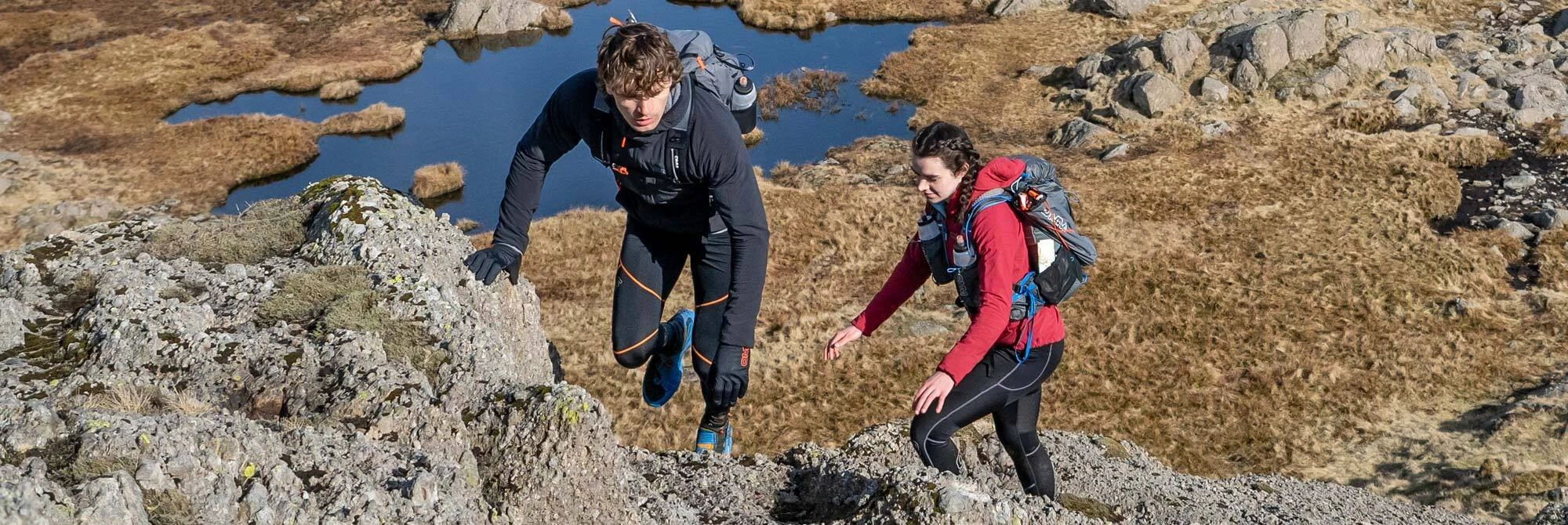
Keeping warm while moving can be tricky. Too much insulation and you’ll sweat on the climb; too little and a cold wind can quickly chill you at the ridge.
Polartec Alpha Direct, PrimaLoft ACTIVE, and Octa take a particularly effective approach: lightweight, open constructions that trap warm air while letting heat and moisture escape. Paired with the right outer layer, they offer exceptional versatility.
For low-weight insulation on the move, I put these materials among the best options available.
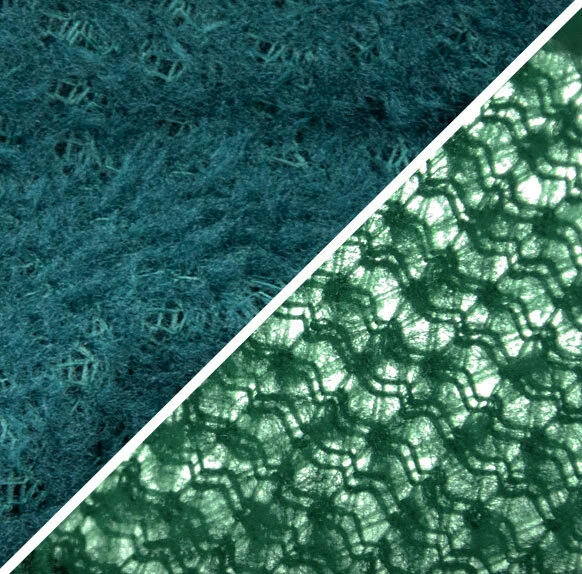
Polartec® Alpha Direct
PrimaLoft® ACTIVE
Octa™
What makes insulation “active”?
Active insulation is designed to keep you warm without trapping too much heat while you are moving. It does this with an open, lofted structure that holds some warm air but still lets plenty of airflow and moisture escape.
That makes it very different from insulation designed mainly for standing around. The aim is not maximum warmth, but keeping you comfortable while your body is producing heat.
Traditional fleece and grid fleece can do a similar job, but Alpha Direct, PrimaLoft ACTIVE, and Octa push the idea further with much more open constructions and minimal material to impede airflow.

Polartec Alpha Direct: lightweight, open insulation
Original Polartec Alpha was designed to sit between an outer fabric and a lining. Alpha Direct changed that by making the insulating fabric robust enough to wear exposed, removing the need for extra layers. That saves weight and lets the fabric's open structure move heat and moisture away while you are active. The downside is very little wind protection, which is why it works so well with a separate wind shell.
Sambob is a good example of this stripped-back approach. Founded by backpacker Sam Roberts after he began making his own fleeces, the brand keeps the garments simple and lets the Alpha Direct fabric do most of the work.
Its Alpha 120 Hoodie weighs 200g (medium) and is my go-to insulation for winter and the cooler months. I really like the boxier, roomy cut, and it is one of those layers I tend to put on and leave on. I wear mine just as much at home as I do on the hills.

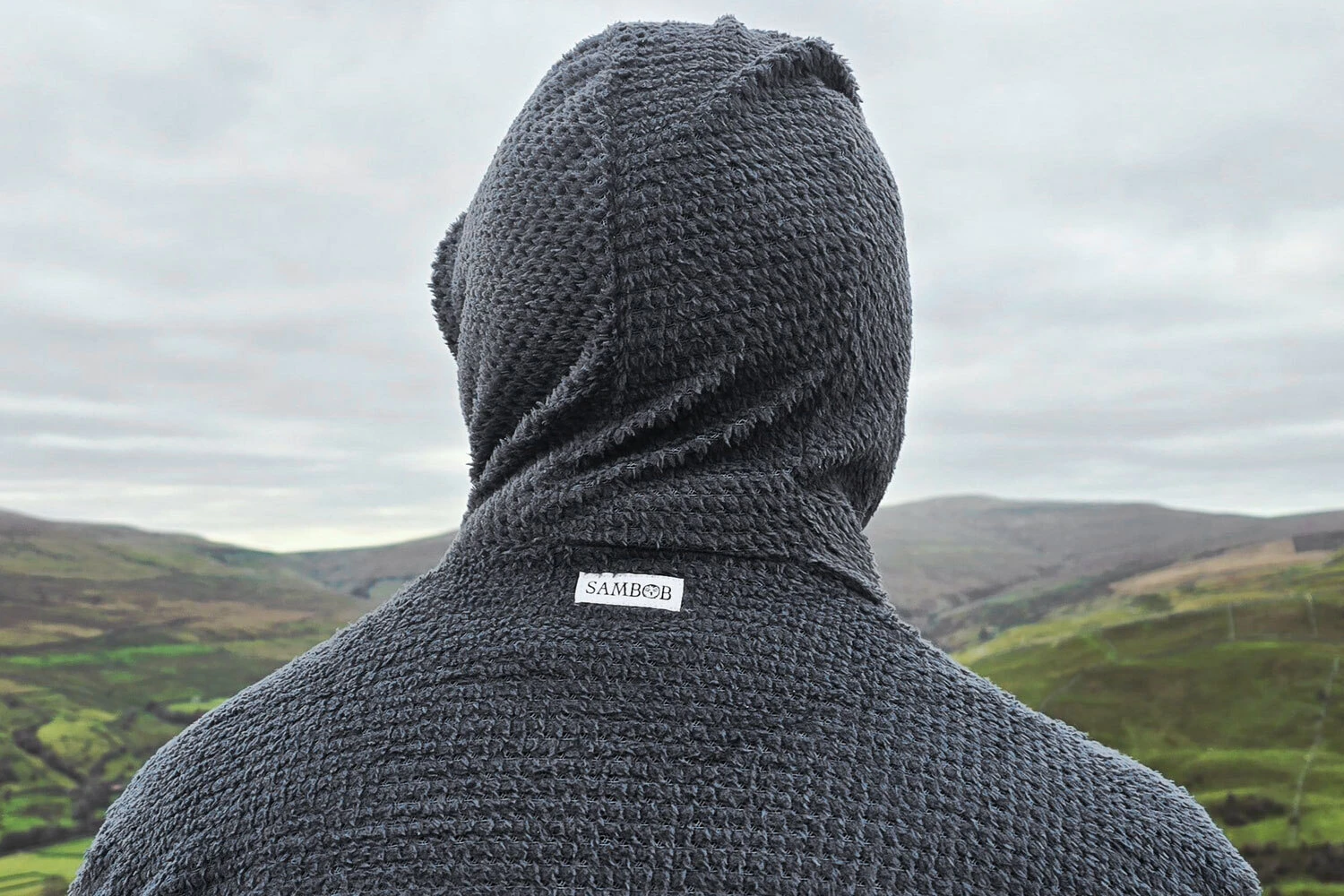
Mine has also lasted really well. I am careful with it outdoors and often wear it under a wind shell, but even my cats haven't managed to snag it so far. Alpha Direct still needs more care than a conventional fleece, but I haven't found it as fragile as its reputation sometimes suggests.
The Snow Peak Alpha Direct 90 Hoodie weighs 156g (medium) and takes a slightly lighter approach, with a half zip for dumping heat and thumb loops to keep the sleeves in place. Those design details can make just as much difference in use as a small change in fabric weight.

PrimaLoft ACTIVE: OMM’s approach
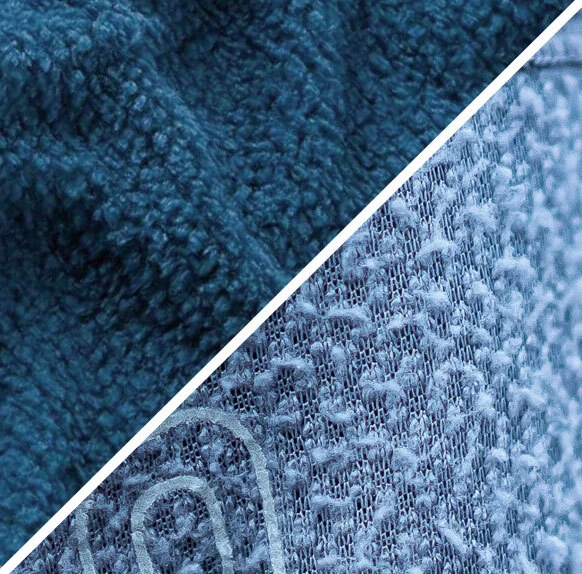
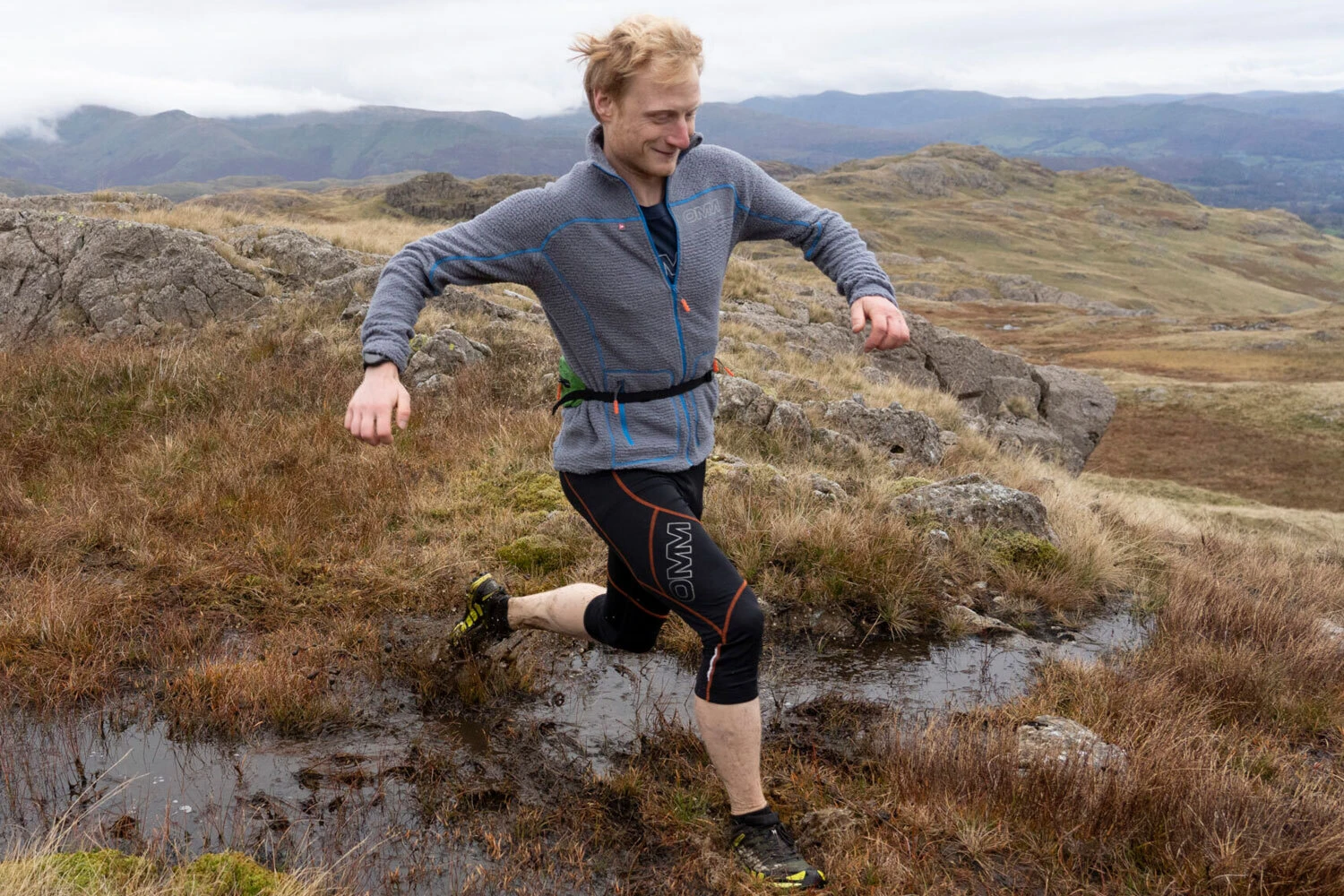
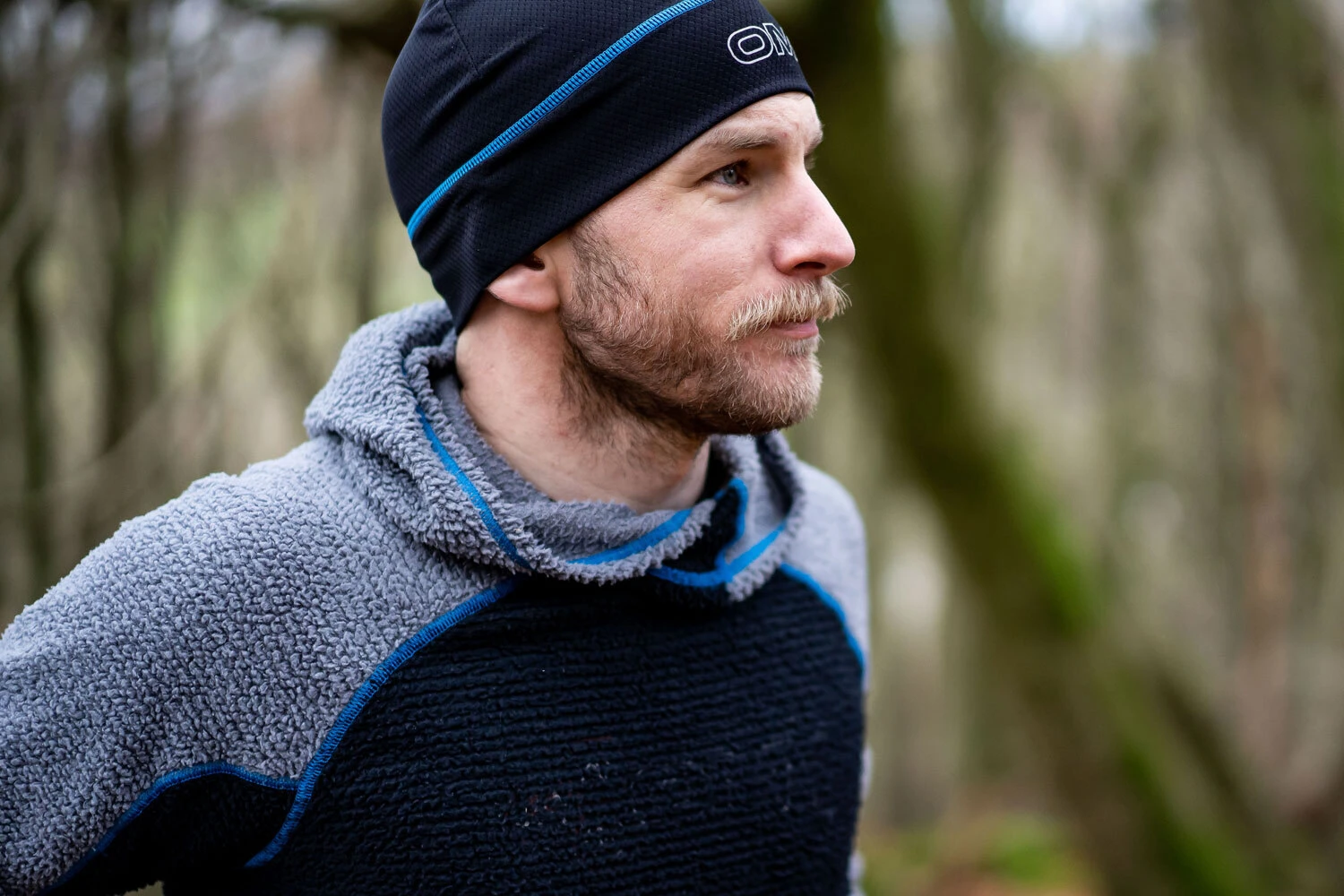
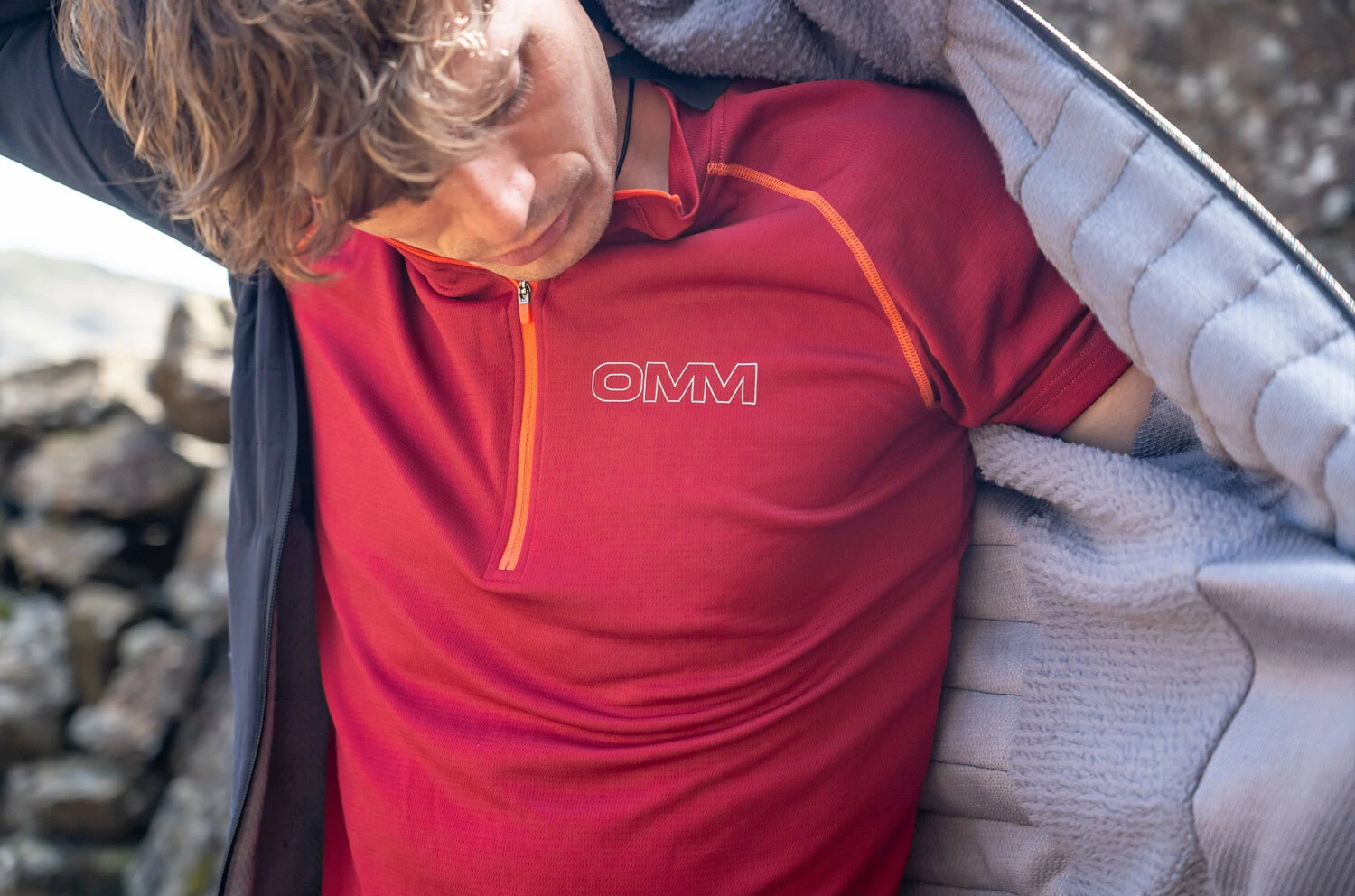
OMM uses PrimaLoft ACTIVE across its Core range, with loose insulating fibres held within a very open mesh structure. Like Alpha Direct, the idea is to give you useful warmth without trapping too much heat while you are moving. OMM takes a more running-focused approach, with closer-fitting garments designed to sit neatly under a vest or shell.
The Core Hoodie uses 75g/m² fabric and weighs 116g (medium), while the Core+ Hoodie uses the denser 125g/m² version and weighs 182g (medium).
I have used the Core+ a lot. It fits closer than I personally prefer, as I generally favour a boxier cut, but that makes sense for its more running-focused design. If you want less loose fabric under a running vest, that closer fit can be a real advantage. Like Alpha Direct, though, it is an exposed insulation layer, so I am careful around sticks and thorns.

Octa and Octayarn: Start with the fibre
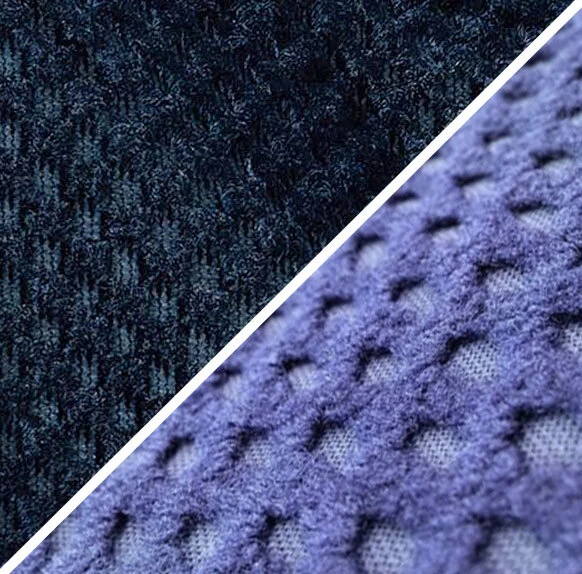
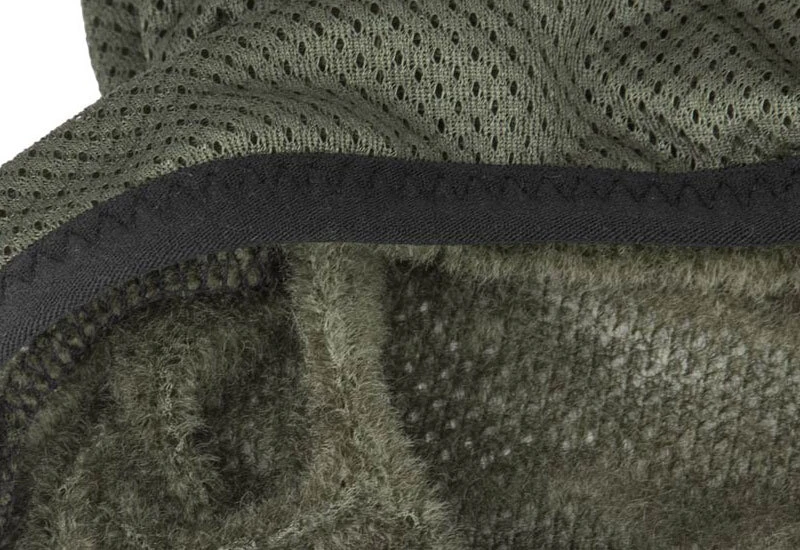
Octa works a little differently from Alpha Direct and PrimaLoft ACTIVE. The polyester fibre itself has a hollow centre with eight fins around the outside, creating more volume and air space without needing as much material. How that fibre is then knitted into a finished fabric makes a big difference to how warm, breathable and durable the garment feels.
Mountain Equipment uses the Octayarn name for fabrics built around the same hollow, eight-pointed fibre structure. I would treat it as part of the same Octa family rather than a separate insulation type, although different knits and fabric weights can still behave quite differently.
My Sambob Octa Hoodie is my go-to summer insulation. I used one on a two-week TGO Challenge crossing and really like the boxier cut.
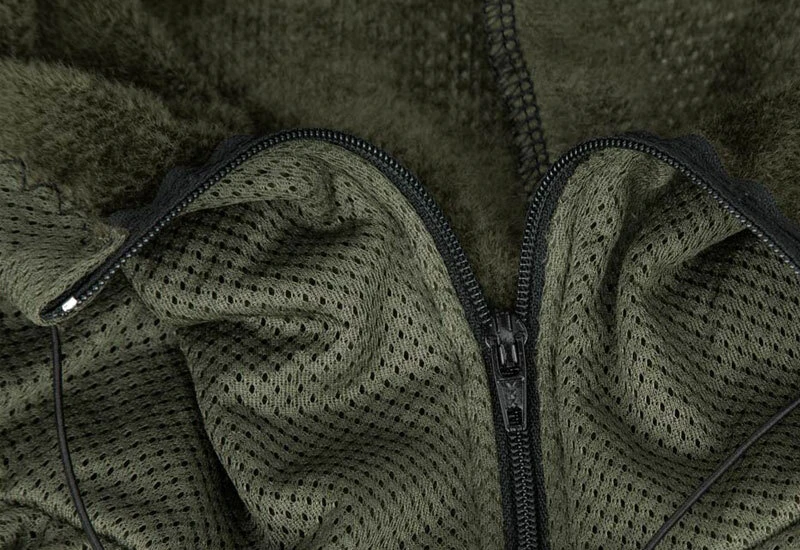
The brushed insulation sits on the inside, with a flatter mesh face on the outside. I have found that makes it less prone to snagging than more exposed fluffy fabrics, simply because the lofted surface is better protected. It is still a very open layer, though, so you get plenty of airflow when moving.

How do the materials compare?
In practice, all three aim to do much the same thing: useful warmth with far more airflow than a conventional insulating layer. The biggest differences come from how the fabric is constructed, how dense it is, how the finished garment fits and whether the insulation is left exposed or protected by another fabric.
For me, those differences between individual garments matter more than whether the label says Alpha Direct, PrimaLoft ACTIVE or Octa.
Why a wind shell changes the system
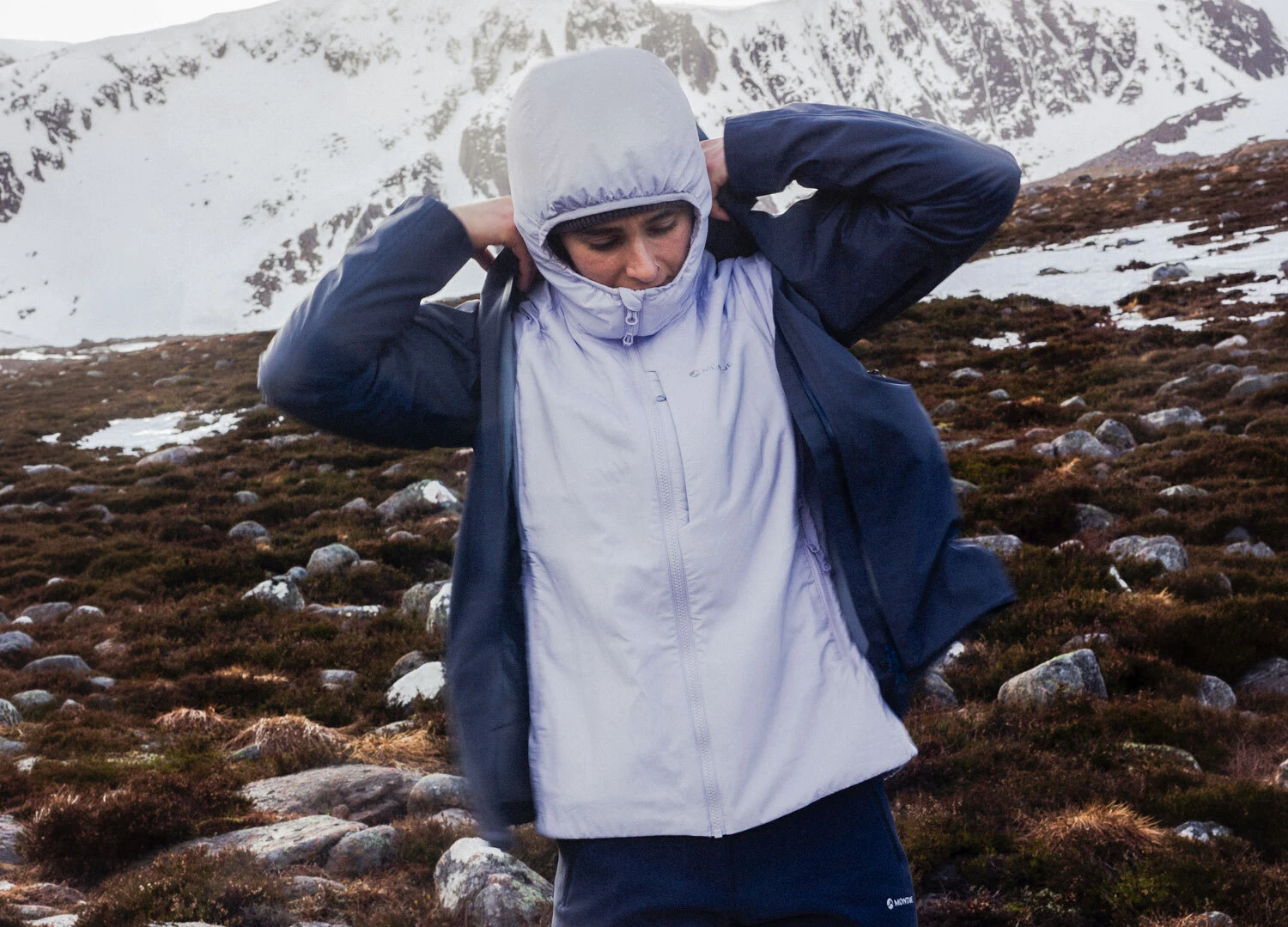
The same open structure that makes these fabrics work so well while you move also lets wind cut through them quickly. Add a wind shell, and you trap much more of that warm air, turning a very breathable layer into something noticeably warmer.
That is why I think these fabrics work best as part of a system rather than on their own. On a sheltered climb, I will often wear the insulation exposed, then add a wind shell when I reach a ridge or the temperature drops.
The shell still needs enough room underneath for the insulation to loft properly, and a full-length zip gives you another easy way to control temperature without constantly changing layers.
In persistent rain, swap the wind shell for a waterproof. For longer stops, you may still need a warmer insulated layer, because something that keeps you comfortable while moving will not necessarily be enough once you stop.
That ability to adjust wind protection without removing the insulating layer is what makes the system work so well.
What if the protection is built in?
These fabrics have been a familiar sight in the ultralight cottage world for years, particularly in simple exposed hoodies and pullovers. What is interesting now is seeing bigger brands take the same basic idea and build more around it, using mapped insulation, stretch panels and wind-resistant fabrics to create more complete garments.
You can also build the wind protection into the garment itself. That gives the insulation more protection and can make the whole setup simpler, but you lose some of the flexibility of being able to remove the shell completely when you want maximum airflow.
The Mammut Aenergy ML Hybrid Hooded Jacket, 268g (men's medium), takes a targeted approach. Alpha Direct is paired with wind-resistant nylon across the upper chest, arms and collar, while stretch fleece is used elsewhere. It isn't fully windproof, but it adds extra protection where it matters most.
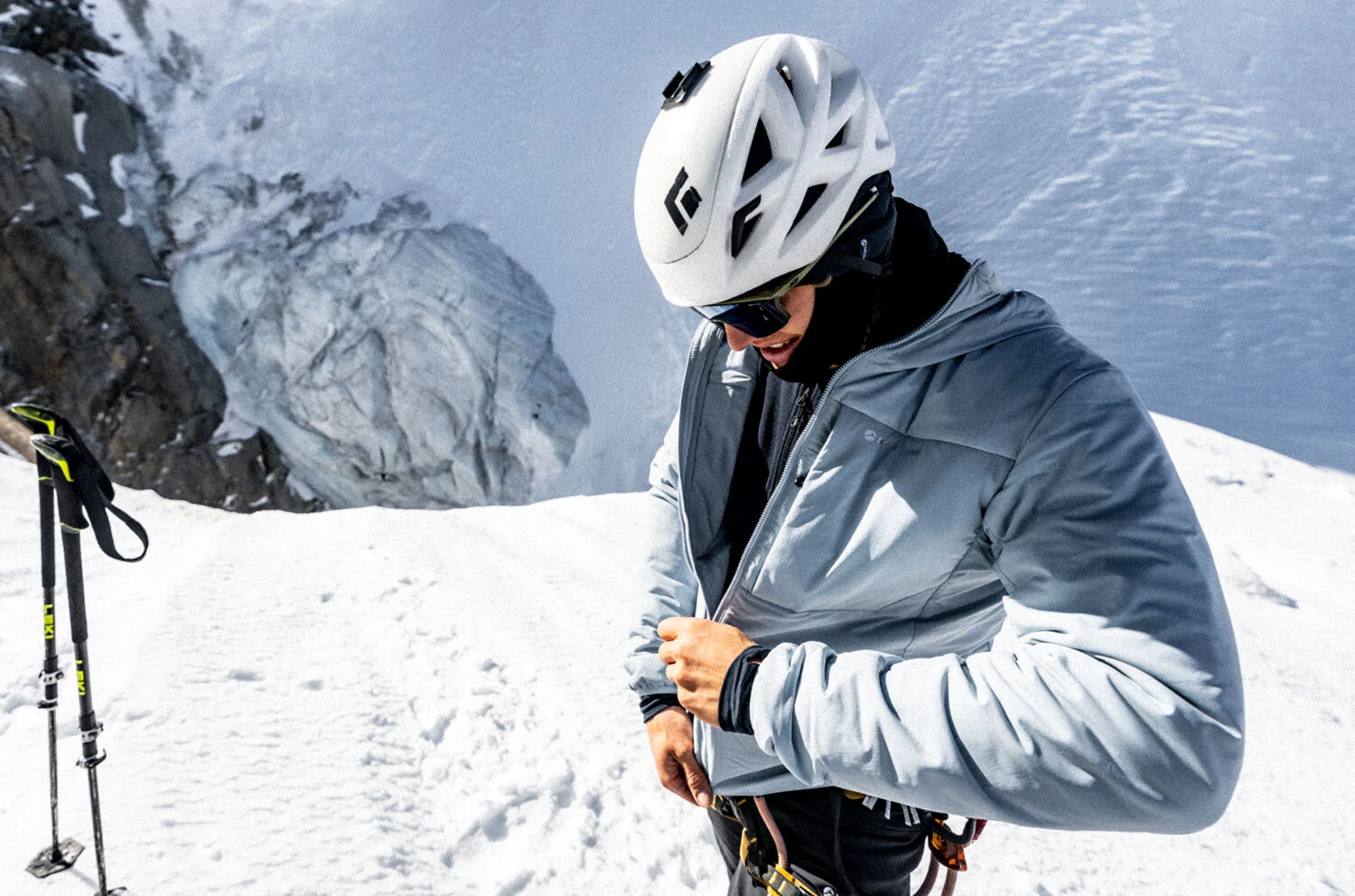
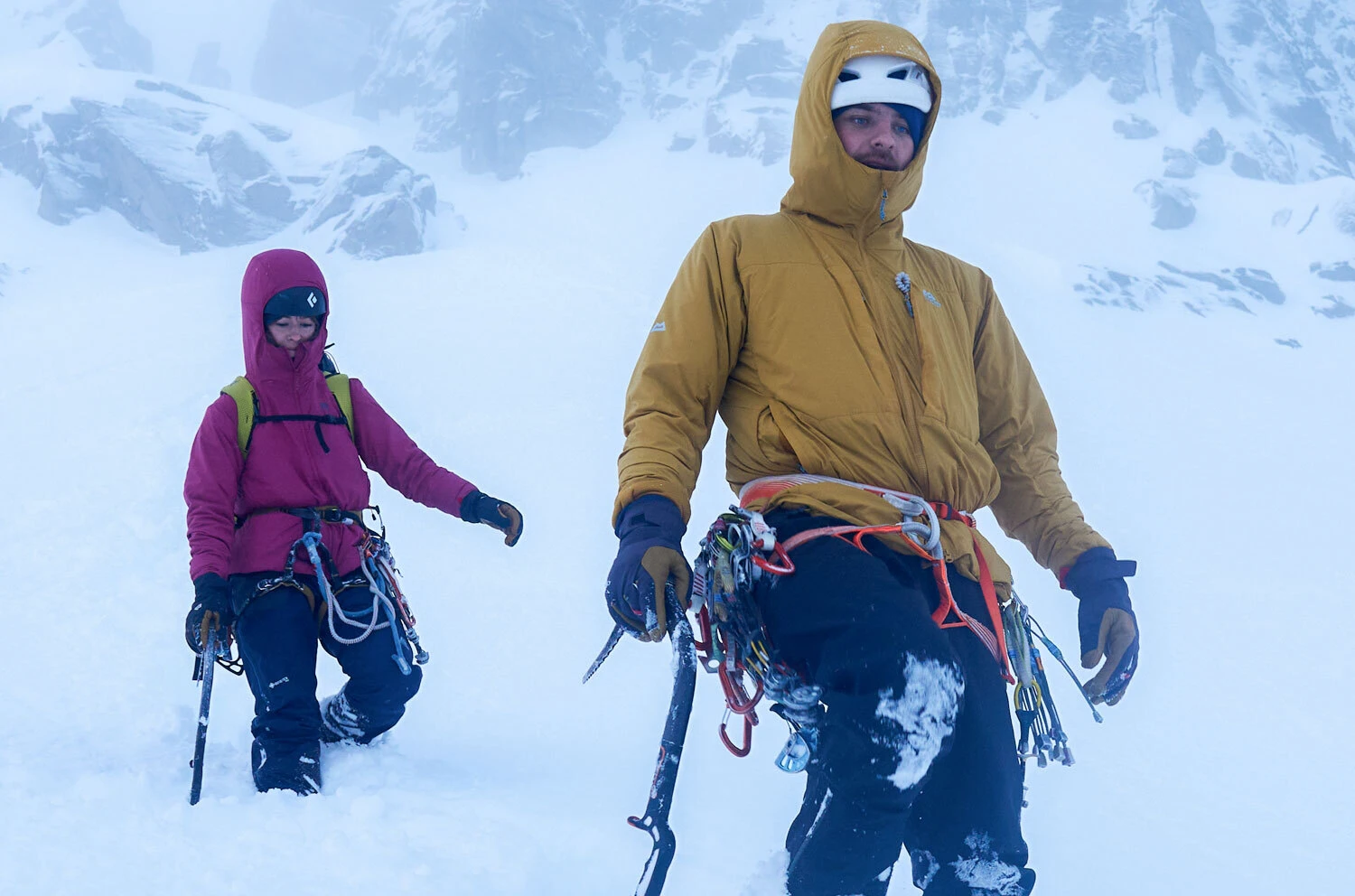
The Mountain Equipment Switch Alpine Jacket, 419g (men's medium), goes further, with Octayarn beneath a wind-resistant 20D nylon outer and extra insulation across the shoulders and upper arms.
The Montane Stratum Insulated Hoodie, 364g (men's medium), mixes technologies, using Gold Active Vent across the front, shoulders and tops of the arms, with OCTA fleece elsewhere beneath a FEATHERLITE Stretch Air outer.
These jackets show where some of the newer ideas are coming in. Rather than simply leaving the insulation exposed, bigger brands are starting to map different fabrics and levels of protection around the body depending on where they are needed.

Fit, durability and realistic expectations.
Fit matters with these layers. OMM’s closer cut works well under a running vest or shell, while I personally prefer the roomier Sambob fit for walking and general use.
The exposed fabrics do need a bit more care than a conventional fleece. Thorns, branches, hook-and-loop fastenings and rough rock can all catch the loft, and repeated rubbing from a pack can eventually take its toll. A wind shell helps by adding another layer between the insulation and the outside.
Beyond a midlayer
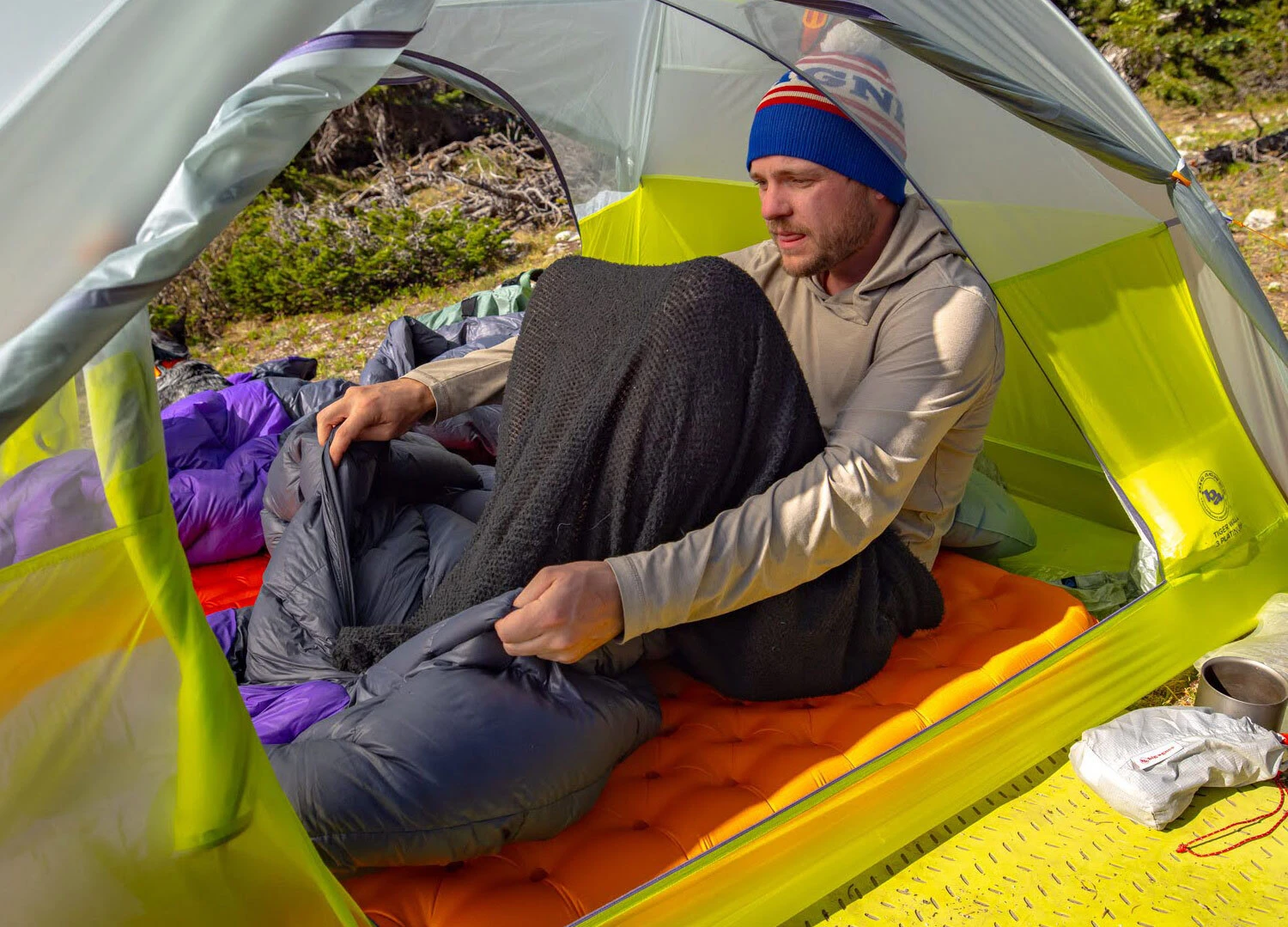
One thing I like about these fabrics is that their low weight, warmth, and quick-drying properties can work well beyond a conventional midlayer. Once you see them that way, they make sense for camp clothing and sleep systems too.
The Sambob Alpha 90 Joggers weigh 131g (men's medium) and work well as camp clothing or sleepwear, but I also think they make a lot of sense under waterproof trousers in winter. They add warmth without much bulk, and I honestly struggle to think of a more comfortable way of adding leg insulation when the weather turns cold.
The Big Agnes Alpha Direct Fleece Sleeping Bag Liner weighs 180g (regular) and brings the same lightweight insulation into your sleep system while helping keep dirt and body oils off your sleeping bag.
Mountain Equipment is also taking a similar approach with Octa in the Switch Base Zip T, using the fabric directly as a 136g (men's medium) base layer rather than a conventional midlayer. I think that shows how these open, fast-drying fabrics can blur the usual boundaries between base layer and fleece.
Choosing your system
For me, the big takeaway is that Alpha Direct, PrimaLoft ACTIVE and Octa all do the same basic job extremely well. They give you useful warmth without trapping too much heat, and that makes them some of the best insulation options for moving quickly in cool conditions.
The differences come more from the finished garment than the fabric name. Fit, fabric weight, how exposed the insulation is and whether you use a separate wind shell or an integrated outer all change how the layer feels in use.
I personally prefer the roomier Sambob cut for walking, while OMM’s closer-fitting approach makes more sense for running. On colder or windier days, I like having a separate wind shell because it gives me more control over how warm the system feels.
There is no single best material here. The best setup is the one that gives you enough warmth for your pace while still letting you dump heat before you start getting sweaty.
 |
||
 |
||
| Andy Neil |
||
|
Andy has been a keen long-distance hiker and wild camping enthusiast since he completed the Cleveland Way in 2015. Since then, he has walked thousands of trail miles all over the UK and is an active member of the Wild Camping UK community, being an admin of the largest wild camping community on Facebook. He strongly advocates for responsible wild camping and believes it is important to leave no trace when camping in the wilderness. He joined the UOG team in 2021 and works as a website developer and content creator. |
||
Keeping warm while moving can be tricky. Too much insulation and you’ll sweat on the climb; too little and a cold wind can quickly chill you at the ridge. Polartec Alpha Direct, PrimaLoft ACTIVE, and Octa take a particularly effective approach: lightweight, open constructions that trap warm air while letting heat and moisture escape. Paired with the right outer layer, they offer exceptional versatility. For low-weight insulation on the move, I put these materials among the best options available.